AI Voice Agents: The Next-Gen Computer Interface Beyond Call Centers
Moving beyond customer service to voice-driven computer control—transforming how we interact with software forever.
ดร.วินน์ วรวุฒิคุณชัย · CEO, CEO
3 min read · Nov 2, 2026
Moving beyond customer service to voice-driven computer control—transforming how we interact with software forever.

An AI Voice Agent is an interactive conversational AI technology that has evolved far beyond traditional call center auto-responders. It represents a brand-new interface for automatically controlling computers, software, and applications through voice commands—reducing screen-switching friction and driving digital accessibility for all.
Imagine standing at the kitchen sink, hands covered in soapy water, when you suddenly remember you need to check the latest news, play a relaxing track, or see if a stock on your watchlist has hit its target price. Historically, our perception of voice technology was limited to corporate IVR call centers answering basic questions over the phone. But in reality, conversational voice systems are moving far beyond those early boundaries.
Today's AI Chatbots & Voicebots have already proven their value in customer service. However, the next high-impact use case destined to reshape our daily lives is turning an AI Agent into a voice-driven assistant that directly controls personal computers.
The fundamental difference between traditional Q&A bots and modern AI lies in contextual understanding. You can read more about this shift in AI Agent vs Chatbot, which details how AI moves from scripted replies to actual task execution. When AI understands complex voice instructions and processes our intents accurately, operating a device no longer requires a mouse or keyboard. You can ask your computer to find flights within a specific price range, set reminders, alert you to stock price swings, or summarize key news highlights while your hands are busy elsewhere.
"The computer is the hub connecting hundreds of applications. Controlling a computer with voice unlocks your entire software ecosystem at once."
Computer interfaces are pivotal to conversational AI development because computers serve as the bridge to the broadest array of applications and workflows—ranging from email and calendars to enterprise software. For a deeper dive into this paradigm shift, check out Why Voice AI Is Becoming the Ultimate AI Interface.
When we embed voice listening and conversational capabilities directly into desktop operating systems or software, AI transitions from simply answering questions to actively executing tasks on our behalf. Key capabilities include:
Beyond everyday convenience, the voice interface revolution delivers immense impact in accessibility, paving the way for truly inclusive tech adoption.
Individuals with visual impairments or physical mobility constraints—who historically faced major hurdles typing on keyboards or reading screens—can now interact with software and the web on an equal footing via speech-to-text and voice processing. Tools like speech synthesis from BOTNOI Voice and intelligent screen-reading interfaces transform voice into a key that breaks down technological barriers, unlocking unprecedented work and learning opportunities. (If you're interested in Thai language voice challenges specifically, read more in Thai Text-to-Speech: 4 Challenges of Thai Voice AI.)
Shifting from keystrokes to natural conversations with software is not just about convenience; it is a fundamental redefinition of human-computer interaction. In the near future, the spoken words we use every day will become our most powerful computing commands.
Traditional voicebots rely on predefined scripts for phone-based customer service. In contrast, AI Voice Agents understand complex voice prompts, execute workflows across multiple software applications, and directly control computer operating systems to perform real work for users.
Because the personal computer is the primary hub connecting diverse applications and tools. Voice commands eliminate context-switching friction, allowing users to control desktop systems naturally without relying exclusively on a mouse or keyboard.
They dramatically improve digital accessibility, enabling individuals with visual impairments or physical mobility constraints to operate software, search for information, and navigate computer systems using voice commands on an equal footing with everyone else.
Found this useful? Pass it on to someone who should read it.

Discover the key differences in AI agent vs chatbot performance, tools, and workflows. Learn when to implement agents that execute tasks versus simple chatbots.
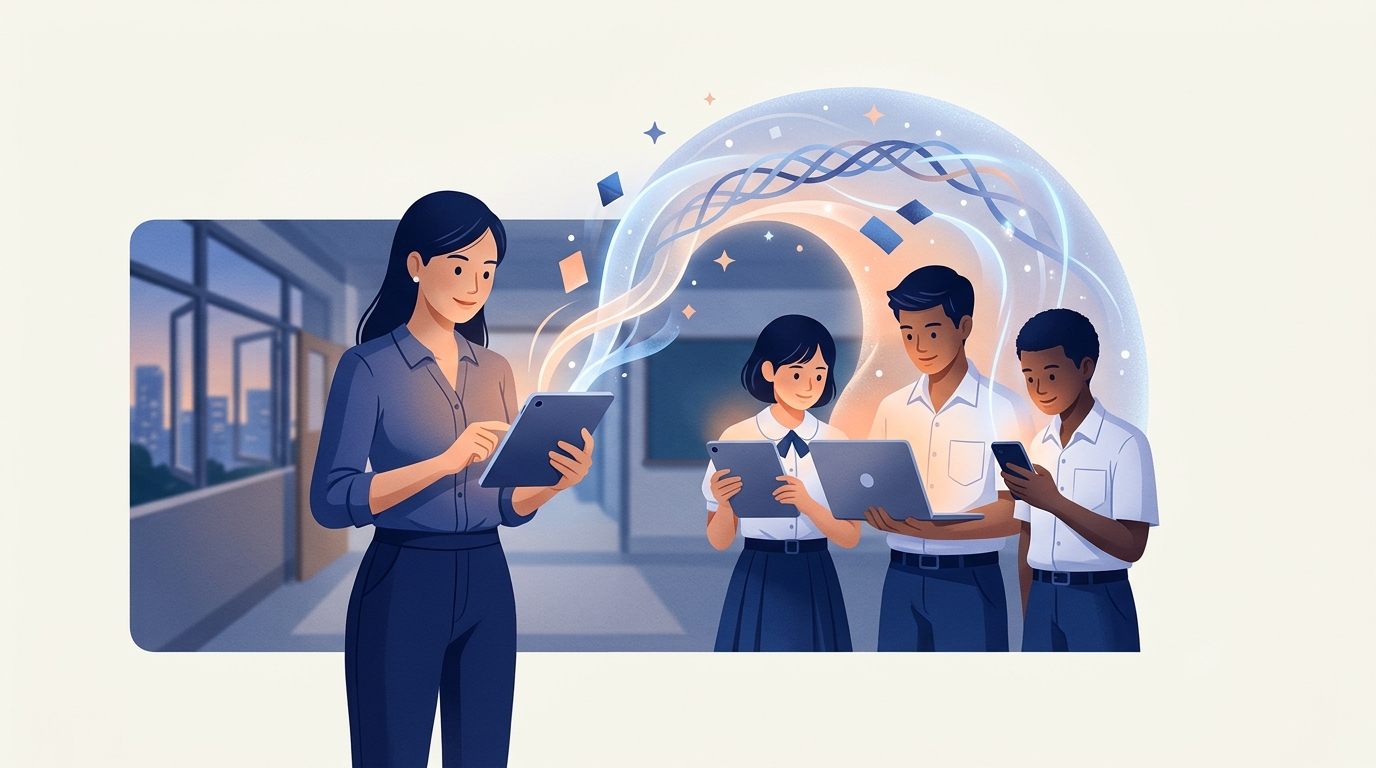
Small AI in education refers to lightweight models that run on standard hardware, helping schools cut costs, keep data secure, and access AI without cloud dependencies.
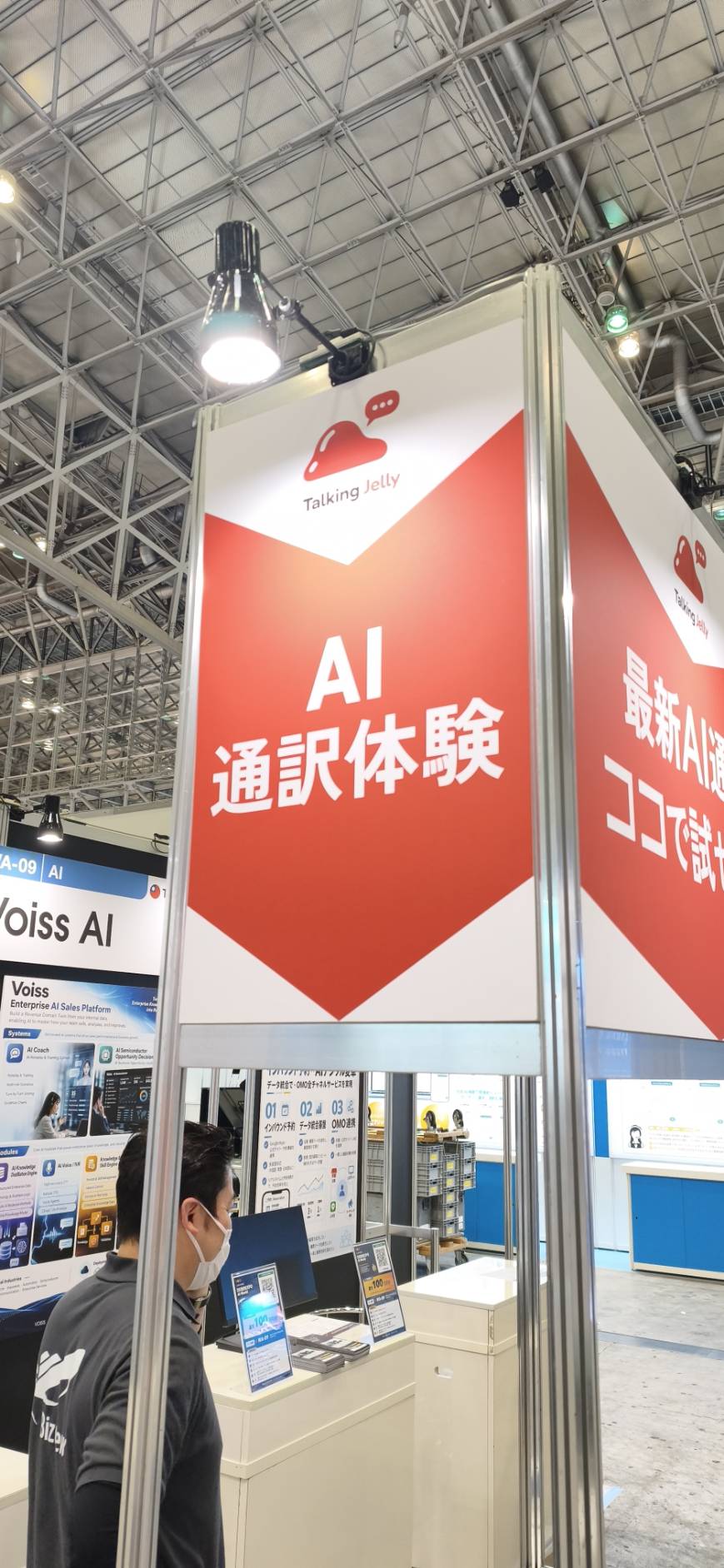
BOTNOI Group partners with Everidge to bring TalkingJelly and BOTNOI Live to AI Global Expo Tokyo, breaking language barriers and driving business growth in Japan.